
.webp)


.gif)
Sep 1
I live in London, and beyond our lovely parks carpeted by unequivocally monothematic British lawn, access to nature is relatively limited. That can be said of most, if not all, European capitals, from the beautifully paved streets of Madrid to the more nuanced but still rather architectural Porto and Zagreb, where our team is based.
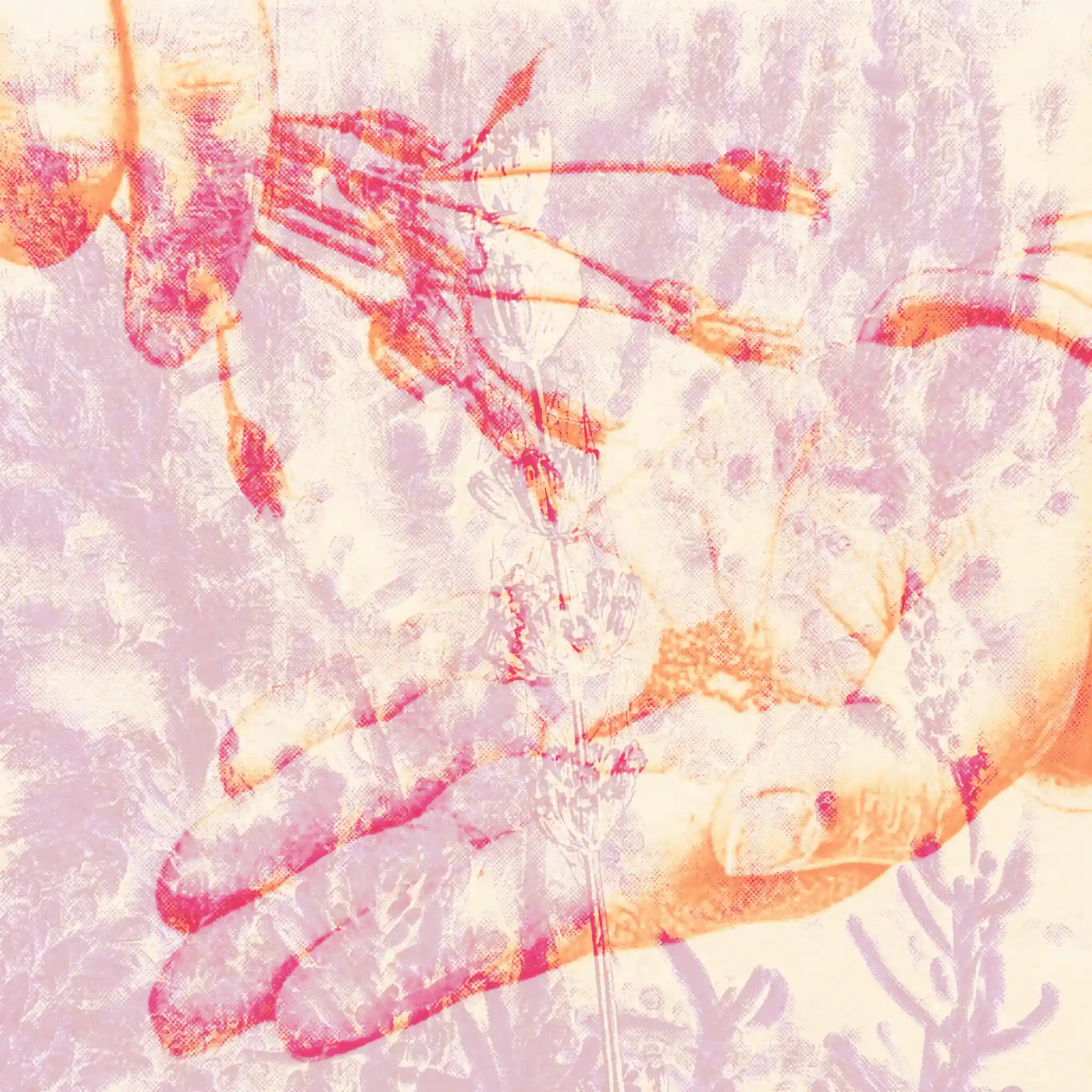
Every year, in spring, I address that longing for nature by planting a small but ever-demanding urban garden. I have been doing it for a few years, whether taking over chunks of pavement outside our old ground floor flat with DIY raised beds (enticing very strong opinions from neighbours) or, more recently, overcrowding our 2m² balcony, to the point where non-plants simply can’t get access.
Come March, planning and planting starts indoors. April is spent waiting, full of expectation, for tiny little seedlings. And in May, I have a good friend with whom, without fail, we’ll exchange a few delicate baby plants; she loves wild and native flowers, so there’s always some of that in the bargain. Summer is then spent between enjoying (or more often) watering the new ‘garden’ and worrying about it when gone for short holidays in Europe.
That brings me to last weekend (and with September literally a couple days away) I’m sitting outside, looking at the few scruffy bits that remain, and I can’t help but think that this has been the most difficult year for my tiny garden.
With the hottest summer on record, and anywhere between 3 and 6 heatwaves, depending on where you live, it has been rather difficult for nature to keep up.
Tomatoes had an explosive early spurt and never recovered enough energy to keep going (as they usually do) well into September. Trailing flowers died off very early and even our sun-loving chillies struggled.
So, on the very last weekend of August, I find myself collecting seeds from the mostly dried up plants around me.

While absolutely inconsequential at this point of the story, we’re also around the same time as Heights’ second birthday. That does bring a more meditative mood, so allow me to stretch our garden metaphor a little further, and explore the last 12 months of challenges around us, as Heights grows.
For example, the breakneck speed at which AI has been expanding into design and creativity: seeing Claude Design launch in April, fail at first and get smarter within a few short months, only to arrive at the Claude AI watermark announcement a couple of weeks ago, causing divided opinions.
And that’s just the facts: design and creativity are being put to the test, with professionals being forced into asking themselves questions which had never been remotely considered before. That ranges anywhere from copyright, division of labour and design expertise, to the much larger conundrums around the importance (or necessity?) of true creativity and human contribution to it.
Looking inwards, we also lost our longest-standing client while repositioning Heights as a strategic partner rather than pure execution and, more personally, I have been struggling with leadership challenges as well as winning new business in the right spaces.

But the activity of collecting seeds is a future-looking endeavour. It manages to hold within it the idea of another harvest, another hopeful year, through winter and into summer.
Collecting seeds, much like birthdays and yearly retros, is an inherently hopeful and relentlessly optimistic activity.
It takes a lot of courage to think like that, especially given what we have been through the last 12 months, at Heights and well beyond us.
Alongside all of the difficult headlines, last year has also been a good year.
The High Seas Treaty finally came into force in January this year, after almost two decades of negotiations. That means there’s a new legally binding international framework for protecting biodiversity beyond national waters (which, by the way, cover more than two-thirds of the ocean's surface). Sir David Attenborough is happy about that.
On sea and land, we saw the largest renewable-energy capacity increase ever recorded, with renewables representing over 85% of all new power capacity added.
And, in other good and much needed news, Amazon deforestation alerts fell 36% from August 2025 to July 2026, reaching the lowest level since Brazil's monitoring series began 10 years ago.
None of that means the work is done (obviously), but those are great examples we’re moving in the right direction!
As a business, Heights has been evolving in a way I could have never imagined.
We rebranded (long overdue!) and further aligned our work to the commercial priorities of the businesses we partner with.
We also hit all of our KPIs except one (which was to write at least one quarterly long-form piece, so treat this as my best effort to make up for it!), and grew revenue by 42% over last year.
And aside from the shiny metrics, we have finally moved Elena to a FT operational and delivery position and added 2 new amazing designers to the team.
We have also worked with our first official US client, our first NGO, and have done our first paid partnership and even our first pro bono piece of work.
Somewhere along the way, I let go of my ‘Design Lead’ role and fully immersed myself in higher-level strategy inside of the business and growth outside of it. That’s a completely new role for me, and one that I never really paused to consider, until I sat down to write this.
Collecting seeds after a difficult harvest is hopeful, and I think we need that more than ever.
In a similar vein, it would be shallow to dismiss the challenges we had inside and outside of Heights last year, but I am more optimistic than ever about what’s next.
Aside from the usual overambitious milestone-setting (which I am sure we’ll do in the next few days), we are better positioned than ever to make a difference, as professionals, as a team, and as a business.
Design, creativity, technology and innovation are the obvious places where we can contribute, and I couldn’t be more excited about it.
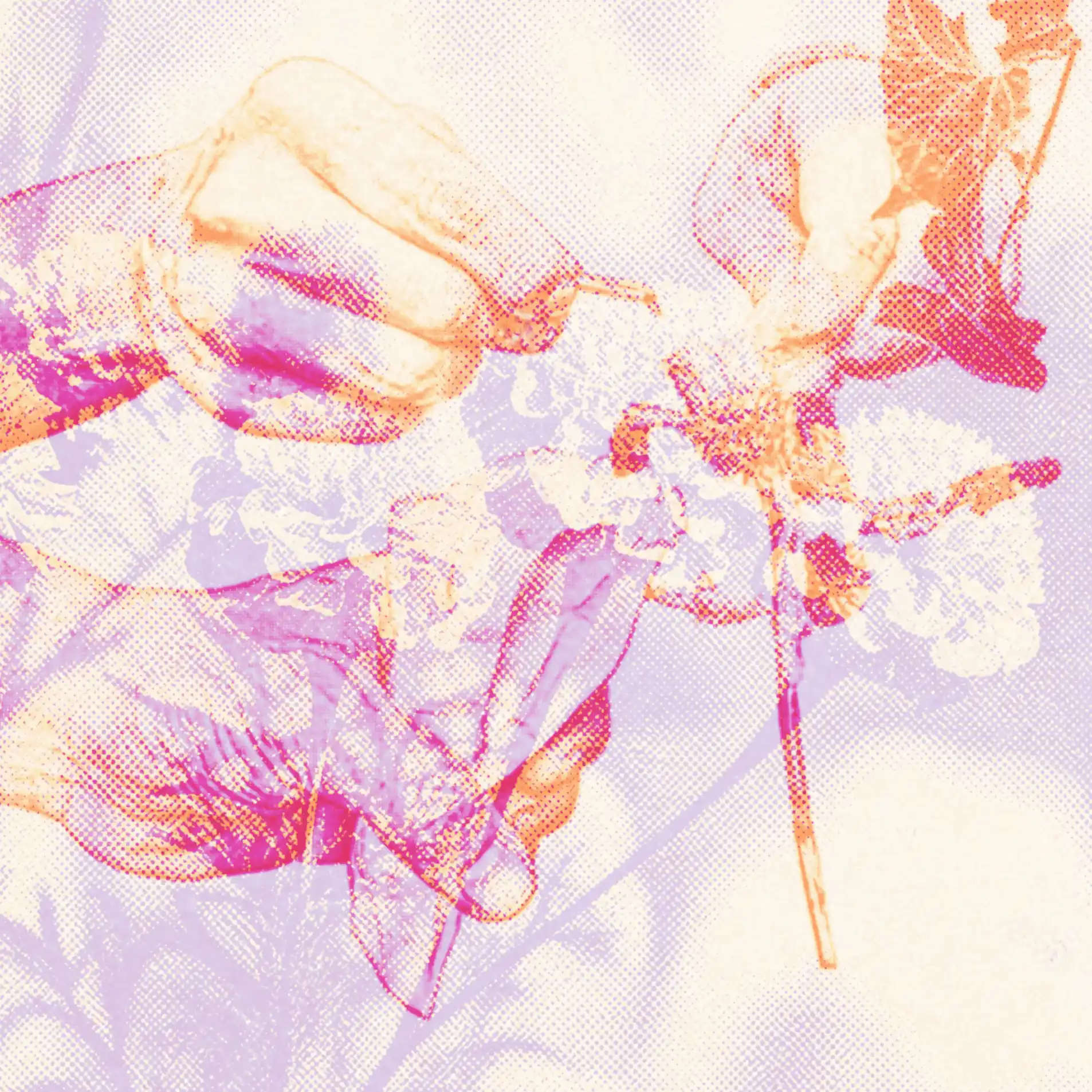
Now on to planning for the next harvest.
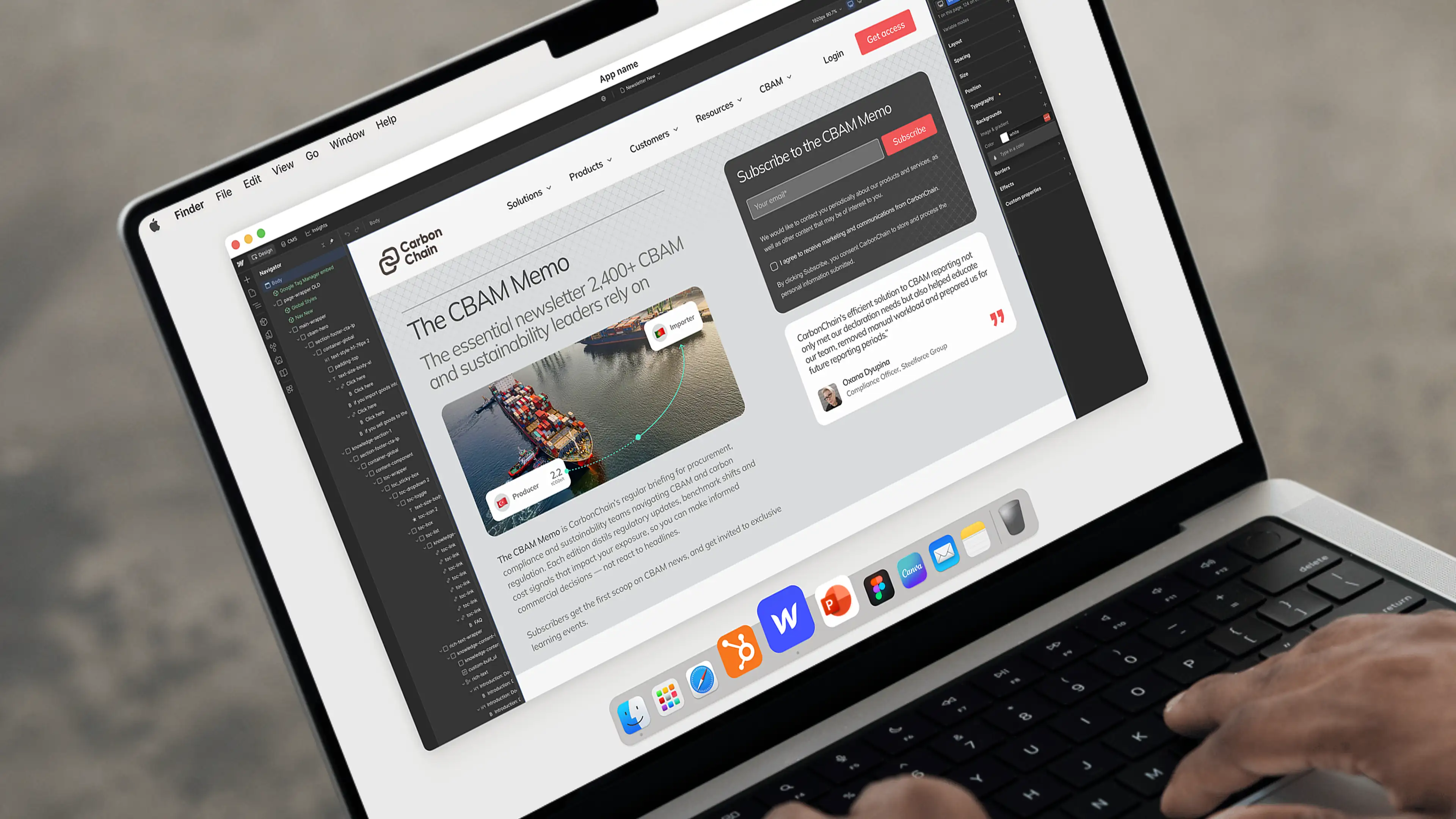
CarbonChain
Supply chain carbon emissions platform helping companies measure, manage and report on their climate impact
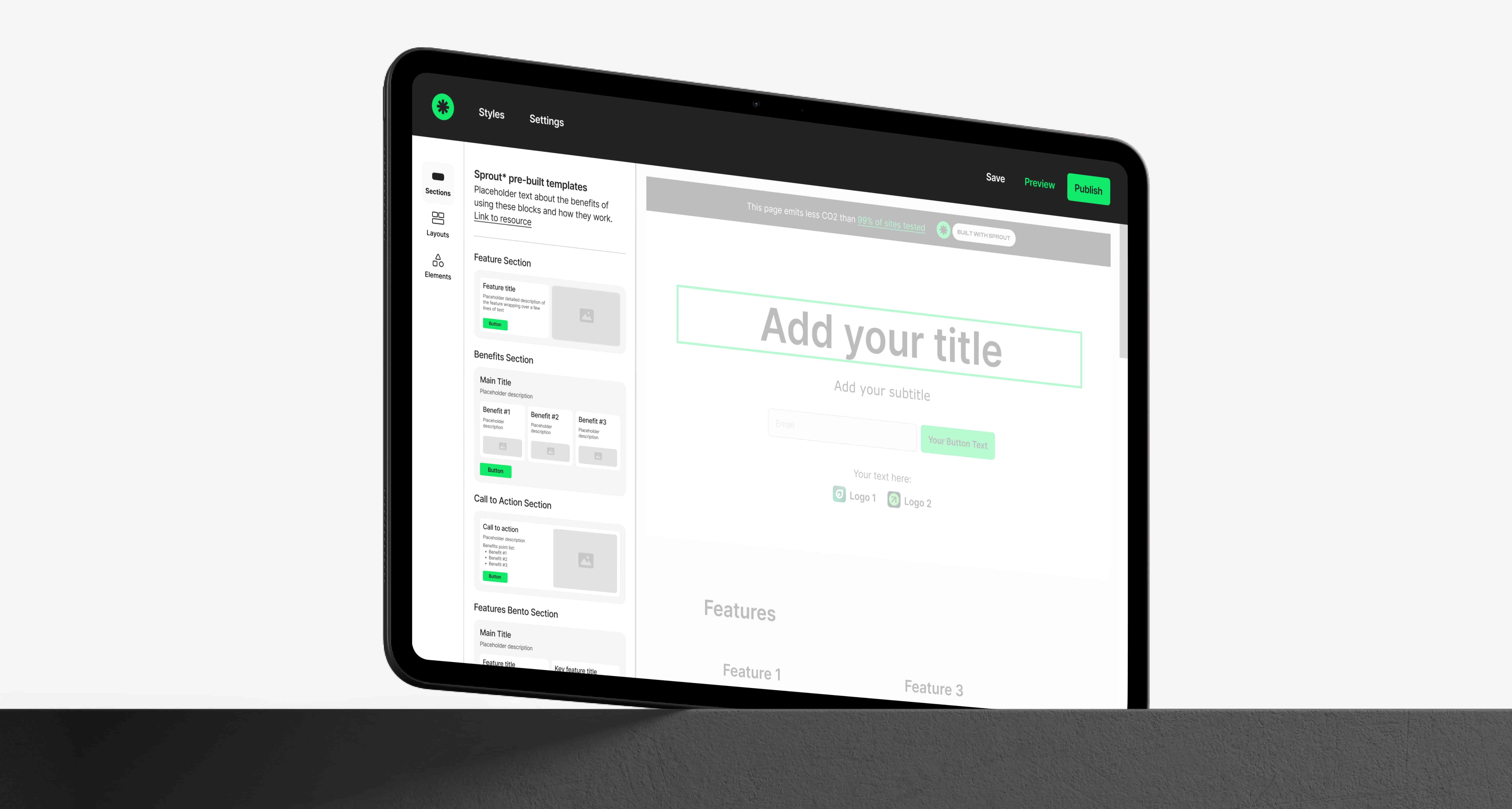
Sprout*
No-code website builder helping purpose-driven organisations create beautiful sites that emit up to 99% less CO2